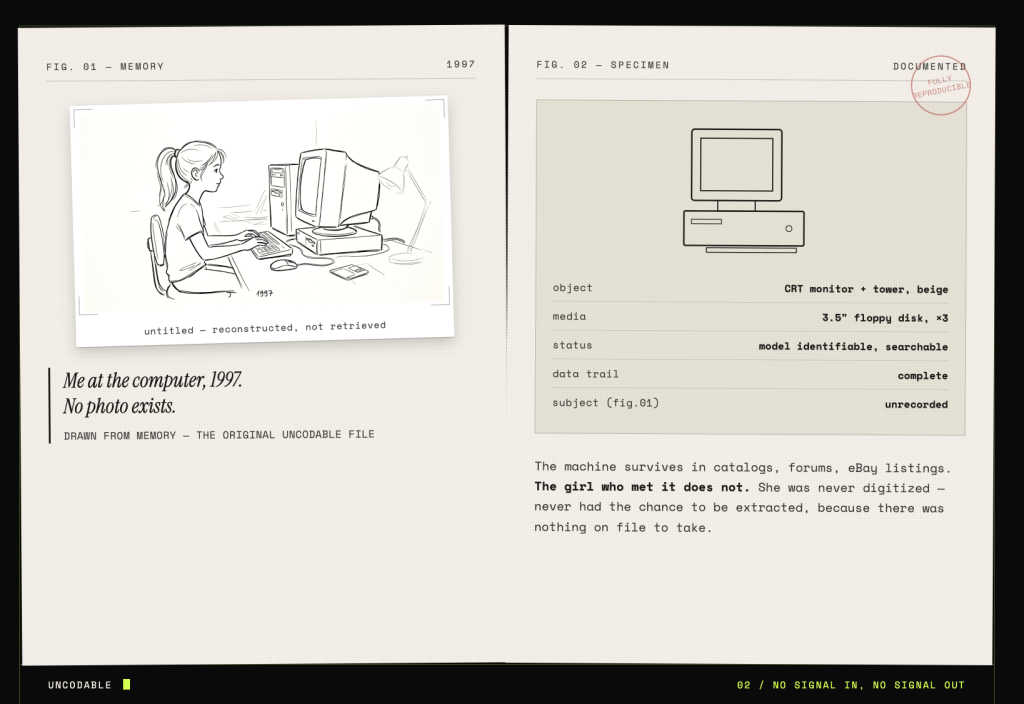
By 2035, neural sovereignty is the norm. Neurotechnology exists everywhere, but humans remained gloriously uncodable by actively cultivating creativity, complexity, neuroplasticity and unpredictability. Uncodability became a spiritual and civic practice. Uncodable is hopeful because flourishing and protection turned out to be the same act.
Transformative technology
Neurotechnology, governed by enforceable neural sovereignty rights.
It solves the 2020s neural-extraction crisis. Neurotech still exists – therapeutic, creative, medical- but operates under hard limits on what can be read and kept. Life in 2035 looks like ordinary neurotech use, minus the dread: the brain stays unpredictable on purpose.
What kind of AI exists in your world?
Mostly narrow tool AI, built under public sovereignty charters. AI is barred by law and architecture from modeling interiority or predicting cognition at the individual level. People don’t avoid AI – they out-grow its grip by staying complex- through art, learning, embodiment, ritual- making themselves uninteresting to extract and rich to live as.
New or Reformed Institution
The Neural Sovereignty Commission enforces the inalienability of neural data and certifies non-extractive tech. But the deeper institution is cultural: uncodability is taught in schools as a civic practice, like media literacy once was: children learn to cultivate unpredictability the way past generations learned critical thinking.
Transformed Sector
Education and Culture
Schools teach uncodability: creative practice, embodiment, art, and cognitive complexity as civic skills. A new analog”zine culture” thrives as deliberate low-tech ritual, a proof of an unrecorded inner life. Mental richness becomes a public value, not a private luxury, because a population that stays complex stays free.
A Major Crisis Overcome
Consumer neurotech and behavior-prediction platforms nearly extracted mental privacy faster than law could respond. The generation that grew up online recognized the pattern early and refused consent-theater fixes. They rebuilt around a different bet: cultivate uncodable minds, and extraction has nothing left to take.